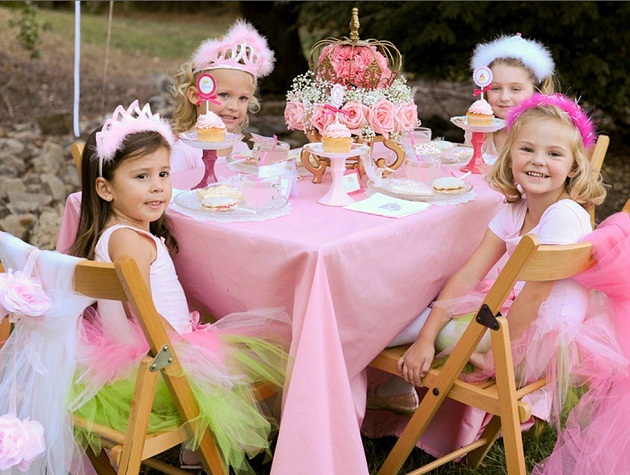
Kids’ make believe play or imaginary playtime is a common imaginative and social game for every group of kids. It is best to have your party favors benefit the kids on their imaginary playtime during the party.
It is a time when they break through the walls of reality, pretend to be someone or something different from themselves, and dramatize situations and actions to go along with the roles they have chosen to play. And while this type of play may be viewed as nonsense by some, it remains an integral part of the developmental learning process by allowing children to develop skills in such areas as abstract thinking, literacy, math, and social studies, in a timely natural manner.
4 Ways Imaginary Play Help Kids
1.Developing Social Skills
Assigning of roles and negotiation would be the usual start and they would be conversing using the pretend characters throughout the game. Kids would learn to defend themselves and express comradery in the simplest ways.
2.Communication and Language Skills
Throughout this kind of game, they would talk as themselves and as their pretend character. They would learn to change their accent sometimes and even their usual way of talking. It certainly develops the way they engage with words with their peers.
3.Cognitive Development
Make believe play involves children recalling pictures they have built up in their mind from past experiences. It could be their mom cooking breakfast, grocery shopping, school situations and a like. Of course, props would be very limited so it gives them a good challenge to look for some nice materials to use in playing.
4.Physical Development
It can help develop a child’s gross and fine motor skills. From putting their character’s costume in a fast or slow way to putting the props away when the game has finished, role play builds hand-eye coordination as well as developing visual discrimination.